
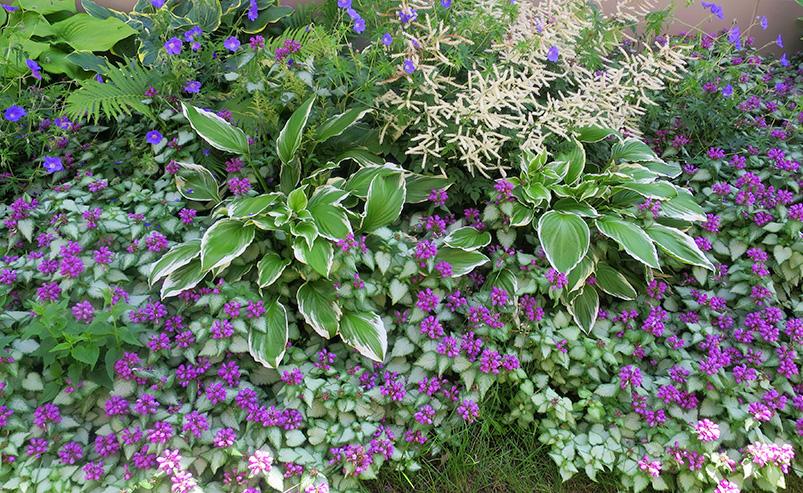
Useful plants to start garden in Shade
The vegetable garden and the roses, and the zinnias need the obligatory six hours of sunlight a day, but gardeners, even the most zealous ones, begin to wilt as the mercury rises during a sultry Mississippi summer. It is time to take a break and head for the beckoning sylvan glade.
After the tomatoes have been harvested, the roses pruned, and the zinnias cut for a bouquet, the gardener can retire to the shade garden to sip a refreshing glass of iced tea and to enjoy a well-earned rest. After toiling in the summer heat, the shade garden is indeed a sanctuary.
There are many plants that prefer shade, and while the predominant color in such a garden is green, the many different hues that can be found in this verdant setting are never monochromatic and are always soothing.
When designing a shade garden, always include comfortable seating, meandering paths or stepping stones, a birdbath or water feature, subtle lighting, and perhaps a fire pit. With a few amenities, it will be difficult to leave this enchanting outdoor retreat.
Too many gardeners bemoan the fact that there is a dearth of sunshine in the garden. However, as a garden matures, the nature of the garden changes, but it comes with new possibilities. Gardening is indeed a lesson in adaptability and creativity.
There are so many plants that relish shade or filtered light that it is easy to become overwhelmed, but when making a selection, remember the following plants are the sine qua non of the shade garden: Ferns, Hostas, Caladiums, Ajuga, Impatiens and Coral Bells.
Ferns
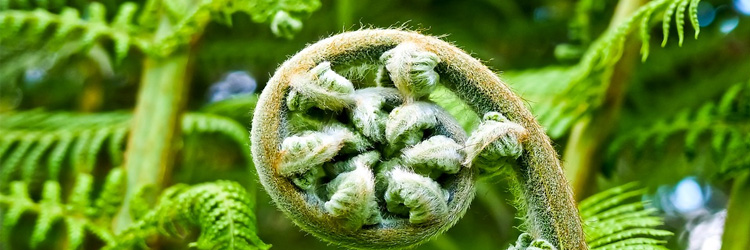 In a woodland setting ferns willingly grow beneath trees. Their feathery fronds soften the landscape and grow in harmony with hardwood trees. Ferns also add texture and color and blend well with other flowers. Ferns have been around since the dinosaur age. It stands to reason that these are hardy plants, and they are deer resistant Plant ferns in rich, humus-filled soil and composted oak leaves. In other words, try to emulate its native habitat.
There are numerous ferns that fare well in the South, and there are many cultivars. Cultivars to include are Holly Fern, Autumn Fern and Lady in Red for color and adaptability, but do not overlook our native ferns, such as Christmas fern, Lady Fern, and Maidenhair Fern.
Hostas
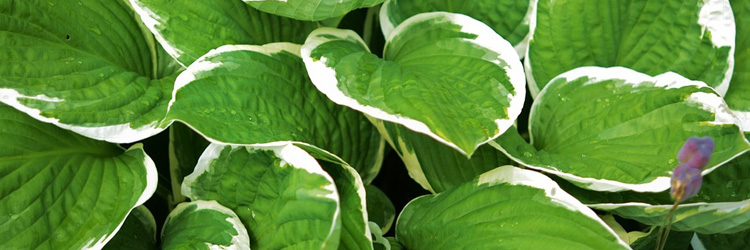 Hostas are probably one of the most popular shade-loving plants, and rightly so. The leaves are large and dramatic, and during the long hot summer; these plants send up spikes of bell-like flowers that are often fragrant. There are numerous varieties that come in many shades of green. The green palette of the hosta family is more varied than one could imagine. Some have touches of yellow, white, and even blue. Hostas should be planted in shade or dappled shade, and for maximum effect, similar kinds should be planted together. Here are a few Hostas that do well in the South June, Blue Mouse Ears, Great Expectations, and Golden Tiara. But do not limit your choices. All gardeners love Hostas, but unfortunately so do deer, slugs, and voles. If these pests are a problem, plant Hostas in containers.
Caladiums
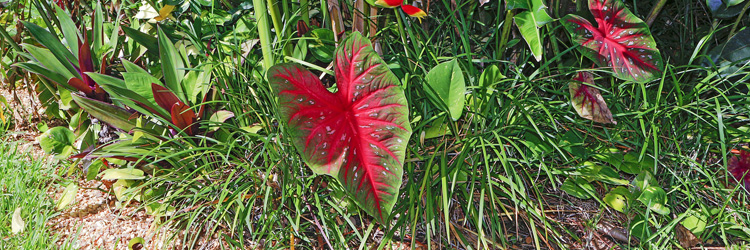 It cannot imagine a summer garden devoid of caladiums, for caladiums can tolerate the heat and humidity and are so very lovely and accommodating. The large, impressive leaves come in many colors, including red, pink, white, and green. The leaves of this plant illuminate the shade garden here are a few favorite: Rosebud, White Christmas, Florida Sweetheart, and White Queen.
Caladiums can be purchased as potted plants or dormant tubers. The tubers can be planted directly in the garden in the spring, but do not become impatient and plant too early, or the tubers will rot. Wait until the soil warms up. Caladiums love moist, but not soggy, soil and lots of mulch. They will grow in filtered sunlight. These beautiful plants will be especially showy if given adequate moisture and fertilizer.
Ajuga
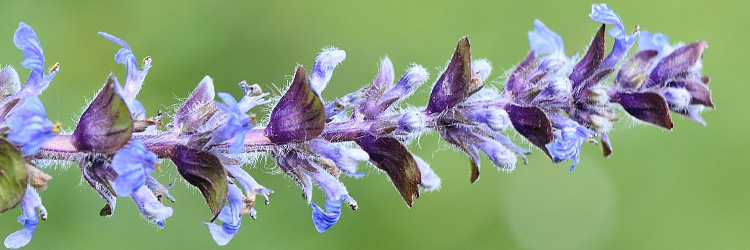 In case you have not noticed, grass does not grow very well beneath trees or in the shade. However, there are ground covers that will obligingly cover the ground and even bloom in shade. One of the most popular ground covers is Ajuga. Ajuga has bronze-green leaves and lovely spikes of purple-blue flowers. It is evergreen, useful for erosion control and will spread with alacrity. There are other ground covers to choose from, but just be sure they are not invasive plants.
Impatiens
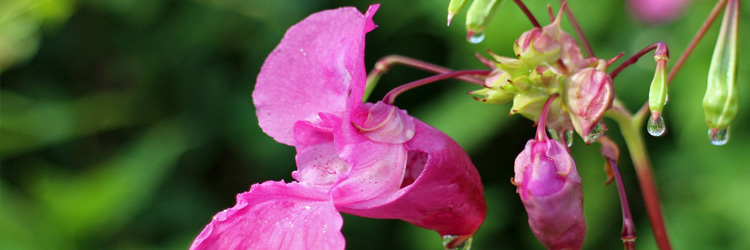 This time of year, impatiens may seem universal, but most Southern gardeners defy any plant snob to say a disparaging word about these colorful little flowers that win bloom in deep shade. Of course, impatiens come in every color imaginable and can be purchased almost everywhere. Impatiens does need a lot of water, but watering these flowers early in the morning is therapeutic. The best recommendation is that the more impatiens one has, the merrier the garden will be.
Coral Bells
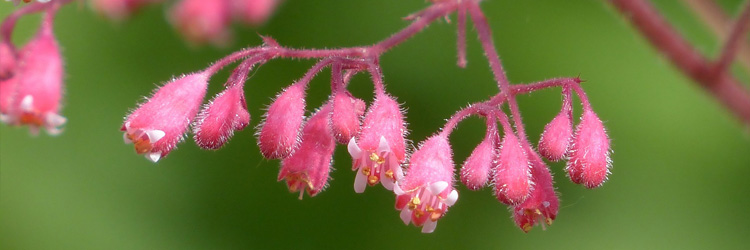 Verities of this plant grow naturally in wooded areas and are evergreen. The foliage comes in many colors, including bronze, purple, and many more. The scalloped leaves add a touch of softness. In early summer, there are spikes of delicate, colorful flowers in white, pink, coral or red. These plants like moist soil enriched with compost or organic matter. Try some of the native varieties.