
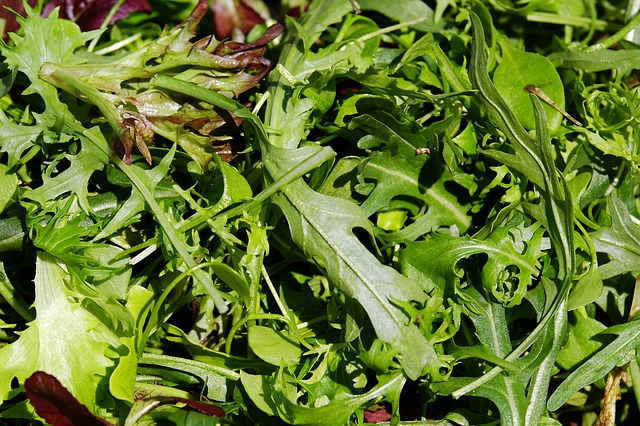
Rocket Salad
Like basil, there’s something about rocket that speaks fluent Italian. Sprinkled on top of a pizza or tossed in a salad with pear, Parmesan, lemon juice and olive oil, its zesty taste is enough to transport you instantly to the Mediterranean. Which is, of course, exactly where it comes from and it has been enjoyed there since at least Roman times when it was known as eruca. Somewhere between a herb and a weed, it was foraged from the wild by the poor and enjoyed with bread as a simple peasant meal.
The Romans believed rocket to be an aphrodisiac and pronounced it sacred to the randy god Priapus. Its peppery taste was considered so dangerously arousing that the poet Pliny even described it as “lascivious”. By Charlemagne’s time, in the ninth century, eruca was considered a desirable potted herb, but during the middle ages its naughty reputation led to it being banned from monastery gardens. In spite of (or perhaps because of) that, rocket was popular among the Elizabethans but unaccountably fell out of favor. It was rediscovered big time in the latter half of the last century when Italian cuisine became the leader.
Though rocket was almost certainly taken to America by Puritan farmers, it wasn’t until 1960 that an article in The New York Times by food writer Craig Claiborne reintroduced it to non-Italian Americans as arugula. More recently, humourist David Kamp, in his 2006 bestseller The United States of Arugula, identified rocket as the symbol of a new gourmet revolution.
From peasant food to epicurean delight, rocket’s journey is complete. Along the way, like any ancient plant, it has collected many names – rucola, rucoli, rugula, arugula, colewort, roquette.
SORTING THEM OUT
There are up to 20 types of rocket but essentially there are two familiar varieties that are readily available. Eruca sativa (often represented as Eruca vesicaria subsp. sativa), an annual, is the broadleaf garden or salad rocket with a peppery, mustardy taste and white to cream flowers.
Diplotaxis tenuifolia is a narrow leaf perennial known as wild rocket. Its other names include wall rocket, sylvetta and white rocket. It has bright-yellow mustard-type flowers and a sharper flavor than E. sativa. It can be the easier type to grow in warm conditions as it’s less likely to bolt. Both are members of the Brassicaceae (mustard) family
GROWING
True to its common name, E. sativa is a fast grower as well as easy to grow in the cooler seasons. As Jennifer Stackhouse once summed it up, “Plant and stand back is probably the best advice.”
Leaves can be harvested in little more than a month, preferably from the outside, which allows the plant to focus its energy on new growth. The leaves taste best when young and may become bitter as they mature.
Sow rocket seeds any time of year a few millimeters deep in humus-rich, well drained soil. The seeds will germinate in just a few days, which is when you should thin out the seedlings so they’re around 20 – 30cm apart. Use the thinnings in salads or replant them elsewhere