
How to grow Fennel – method and tips
The rich aniseed flavor of fennel has become a chef’s favorite the world over, but its culinary heartland is certainly in Italy. There it can be found in pastas, risottos, and salads, as well as being used in making sausages and meatballs. Where fennel really comes into its own though is with fish; the pair are a match made in heaven, and when you throw some lemon, garlic, and Italian olive oil into the mix – trust me, you will never look back!
As well as having a rich cultural history of spiritual and medicinal uses (it even works its way into Greek mythology), this perennial herb is also incredibly good for our health. It is high in vitamin C to give your immune system a boost, and is packed with calcium, fiber and potassium. The positive effects of its make up include it being anti-inflammatory and anti-carcinogenic, and it even stimulates digestion, too.
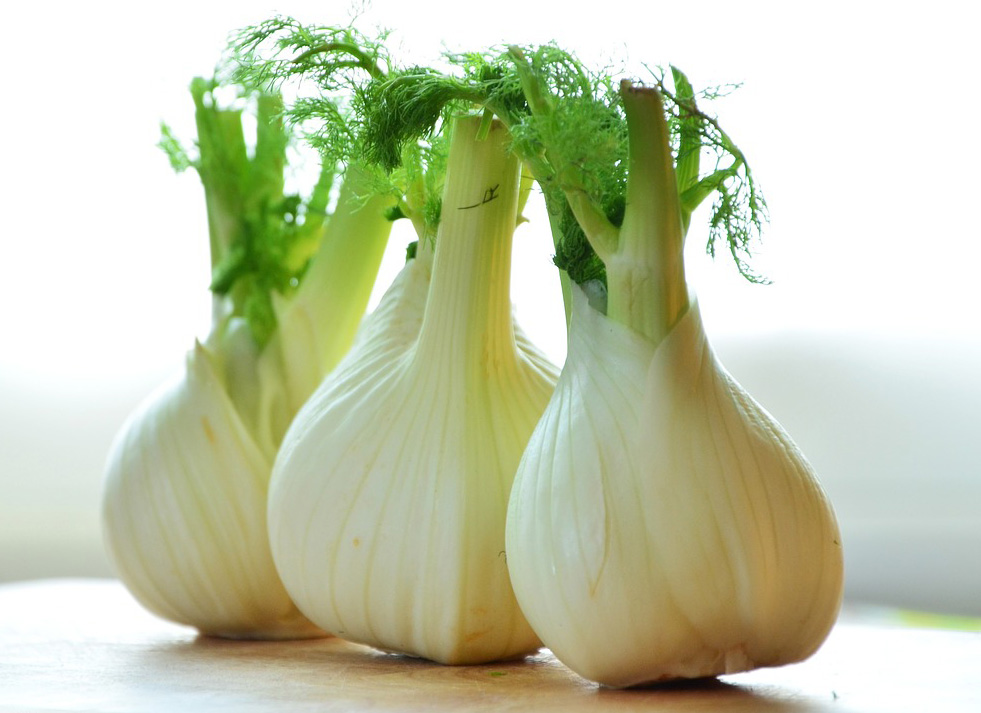
There are two types of fennel – herb fennel and Florence fennel (also known as bulb fennel). Herb fennel is grown for the leaves, whereas Florence fennel is grown for the fat, swollen stem at the base which is used as a vegetable, either raw or cooked. The good thing is, you can still use the leaves of Florence fennel much like the herb type, and both can both be grown in the same conditions.
Get started
Like all Mediterranean, fennel prefers a sun-loved and sheltered corner of the garden where it can avoid cold, British winds as much as possible. Give it free draining yet moisture-retentive soil and it will be a happy herb. Both types of fennel will thrive in a rich and fertile soil, however herb fennel can also grow in sandier plots, where it will grow a bit taller and less bushy.
Herb fennel can be started in May, once all danger of frost has passed. Some growers do sow bulb fennel indoors as early as April and transplant out, but I would recommend just waiting until June when the ground has truly warmed up, and sowing directly. This is because fennel doesn’t like cold soil and they don’t like their roots being disturbed. So be patient and they are a great choice to follow on from your peas and potatoes. Just dig in a little more compost and away you go.
If your soil is dry, water first to get moisture. Sow the seeds thinly, 1.5cm deep, and space your rows 45cm apart. Cover over and water gently with a rose head watering can.
When your seedlings start to appear (after around seven to 21 days) thin them out by taking alternate plants and allowing the remainder plants to grow on. Don’t chuck the thinning – they are a delicious addition to your summer salads! Thin seedlings out to a final spacing of 20 cm apart, as they continue to grow. After thinning out it’s always a good idea to water well – this will wash any dislodged soil back around the roots of the remaining plants.
Water works
Bulb fennel’s biggest challenge is bolting, and nothing will make that happen quicker than dry soil, so soil moisture is one of key element. Bolting early will result in you getting no ‘bulb’, so keep the soil moist and weed-free at all times. Herb fennel is less fussy about water, since you have no ‘bulb’ to worry about.
For bulb fennel the stem will begin to swell and enlarge at the base, and at this point you should start earthing them up. This will maintain their color, increase their size, and give you the best flavor.
You will need to employ your preferred slug and snail deterrents, as they do enjoy fennel leaves. Other than that, so long as you keep the soil moist during dry periods, these plants are usual trouble free.
Rich pickings
If you plant in June you will likely be harvesting by mid-October. Wait until the ‘bulbs’ reach seven to 10cm across. To harvest, loosen the roots with a fork to expose the ‘bulb’ and cut just above the taproot. If you are using the leaves, just take a few from each plant as you go and they will re-grow quickly.
Tip
- Avoid growing fennel near coriander or dill, to which they are closely related. These plants can cross-pollinate, which will affect the viability of your crop.
A piece of history
- Historical notes indicate the word fennel is the origin of the place name Marathon (meaning “place of fennel”), site of the famous Battle of Marathon in 490 BC between the Greeks and Persians.
- In medieval times fennel seeds inserted into keyholes or hung over doors were thought to protect a dwelling from ghosts, especially on Midsummer’s Eve.
- Fennel has been used for many centuries to increase the milk supply of nursing mothers.
Favorite cultivars
- Fennel (Florence) ‘Chiarino’: Easy to grow with fast maturing, crisp and succulent, large, white bulbs
- Fennel (Florence) ‘Cantino’: A slow to bolt variety good for early planting.
- Fennel (herb) ‘Bronze’: Hardy and highly ornamental, makes a great addition to a flower border or herb garden.